Starting point: a year of training, but hardly any progress
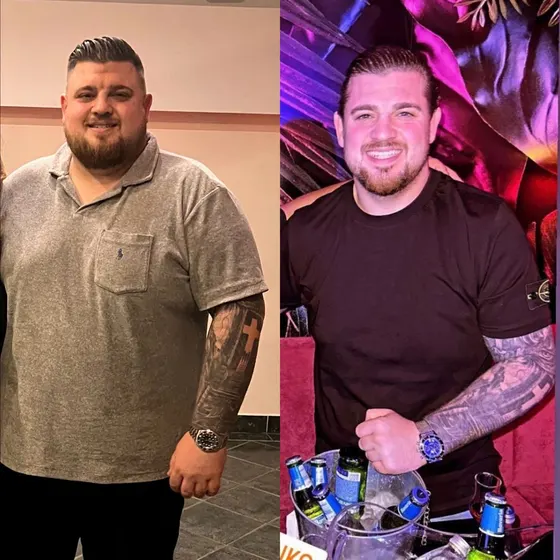
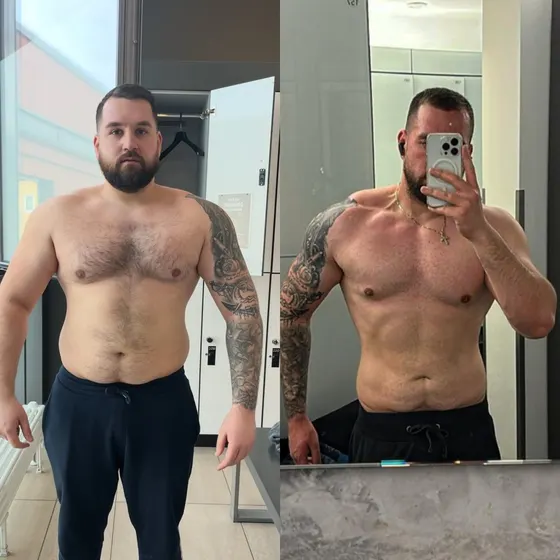
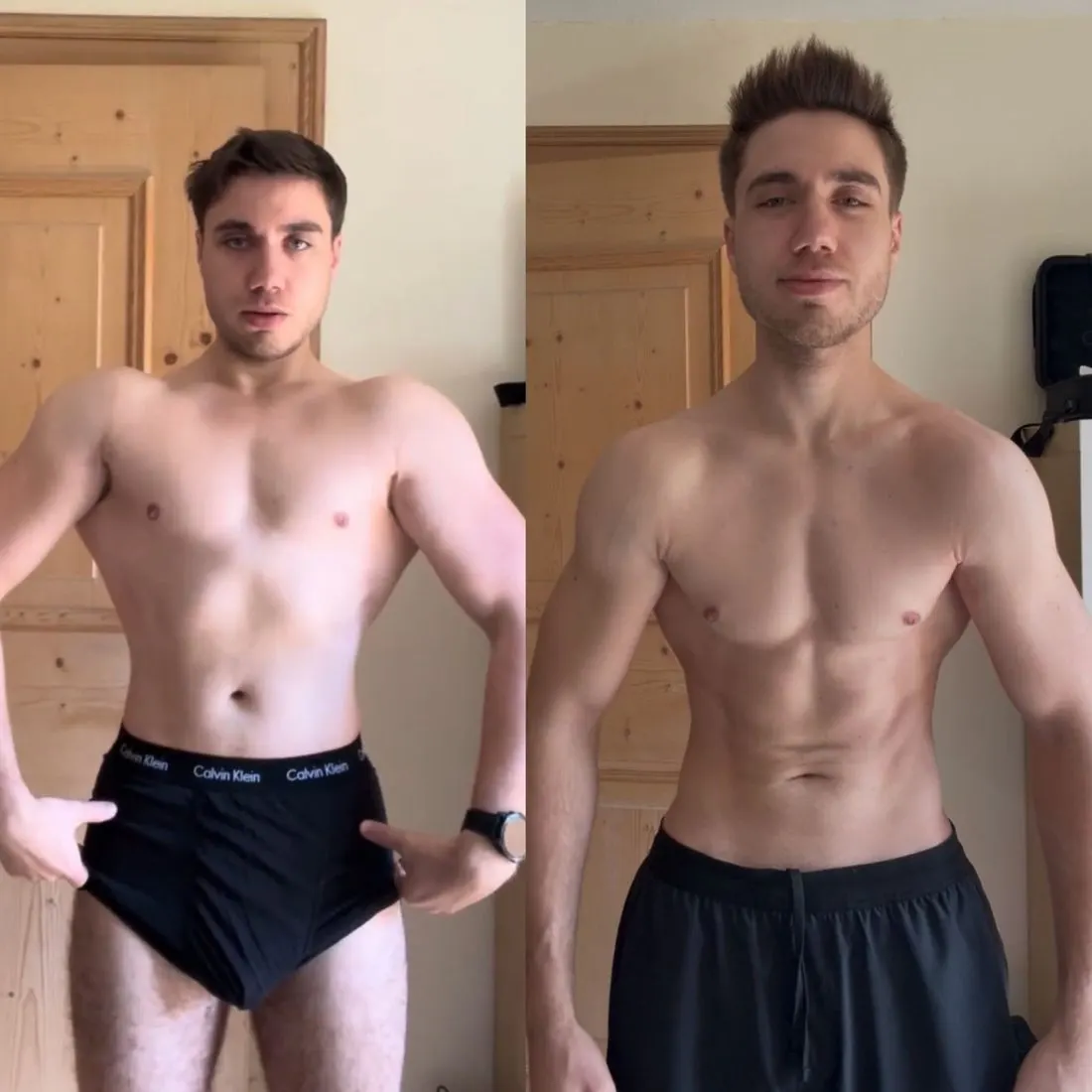
Chris was in his mid-30s and worked as a subway driver. He had already trained on his own at the gym for about a year, but was still unhappy with his physique. He was not heavily overweight, but was bothered by body fat, especially around the hips. His goal was to look more defined and to build muscle in the long term. He was disciplined and motivated; what was missing was a clear strategy.
Three training days that fit into his everyday life
Time-wise, Chris could reliably fit in three strength sessions per week. So we developed an upper body, lower body, full body split. That way he trained all the important muscle groups without having to squeeze more training days into his routine. The structure worked so well that he still trains by this basic plan today.
From machines to free weights
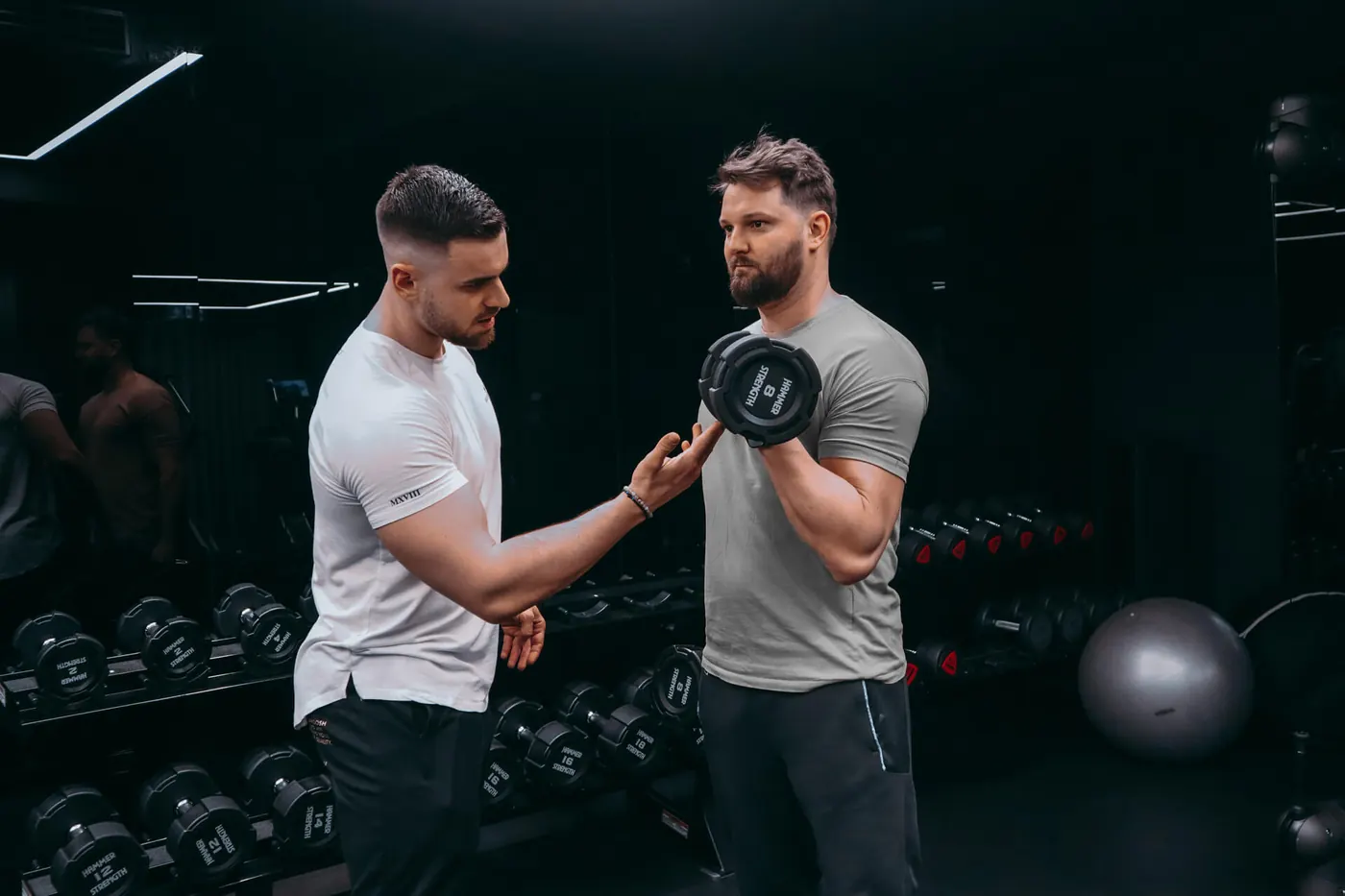
At first we focused more on guided exercises on machines. As he grew more confident, we brought in more free weights. I gave Chris video examples, and he sent me recordings of his own technique. When a movement was not right yet, he got specific pointers and filmed the exercise again. Only once the execution was convincing could we build on it. That way the quality of the training stayed verifiable even in Online Coaching.
Nutrition: deficit, plenty of protein and Excel
For the first stage, the goal was weight loss. We set a controlled calorie deficit and aimed for more than two grams of protein per kilogram of body weight. Chris tracked his nutrition and progress in Excel. That gave us a reliable basis for judging his progress. His high discipline and good stress management helped him carry out the agreed steps consistently.
Weekly check-ins and form updates
We regularly checked his weight, his comparison photos and his training performance. That let us see changes in body shape independently of individual numbers on the scale. When an adjustment was needed, we reacted with calories or training design. When all was going well, we kept the plan that worked. This continuous support was an important difference from his earlier training without clear feedback.
The result and the next step
Chris reduced his body weight by 14 kg in total and clearly improved his definition. After that, our shared goal changed: instead of losing more weight, we wanted to build muscle in a targeted way. We are still working together. Right now we are in a building phase and plan a short mini-cut as the next step. For the coming year we want to reach particularly good shape. We are deliberately leaving the exact weight figures for the 14 kg loss open, since there is no verified starting and ending weight for this Chris.
To me, this progress shows how important it is not to simply hand out a standard plan. Training, nutrition and recovery have to suit the individual person. Through regular check-ins and form updates, we can put the progress in context, answer questions and adjust specifically where needed. Long-term progress comes from a strategy that works in real everyday life.
Individual experience, not a guarantee of success. Your progress depends on your starting point, your daily life and how you put it into practice.